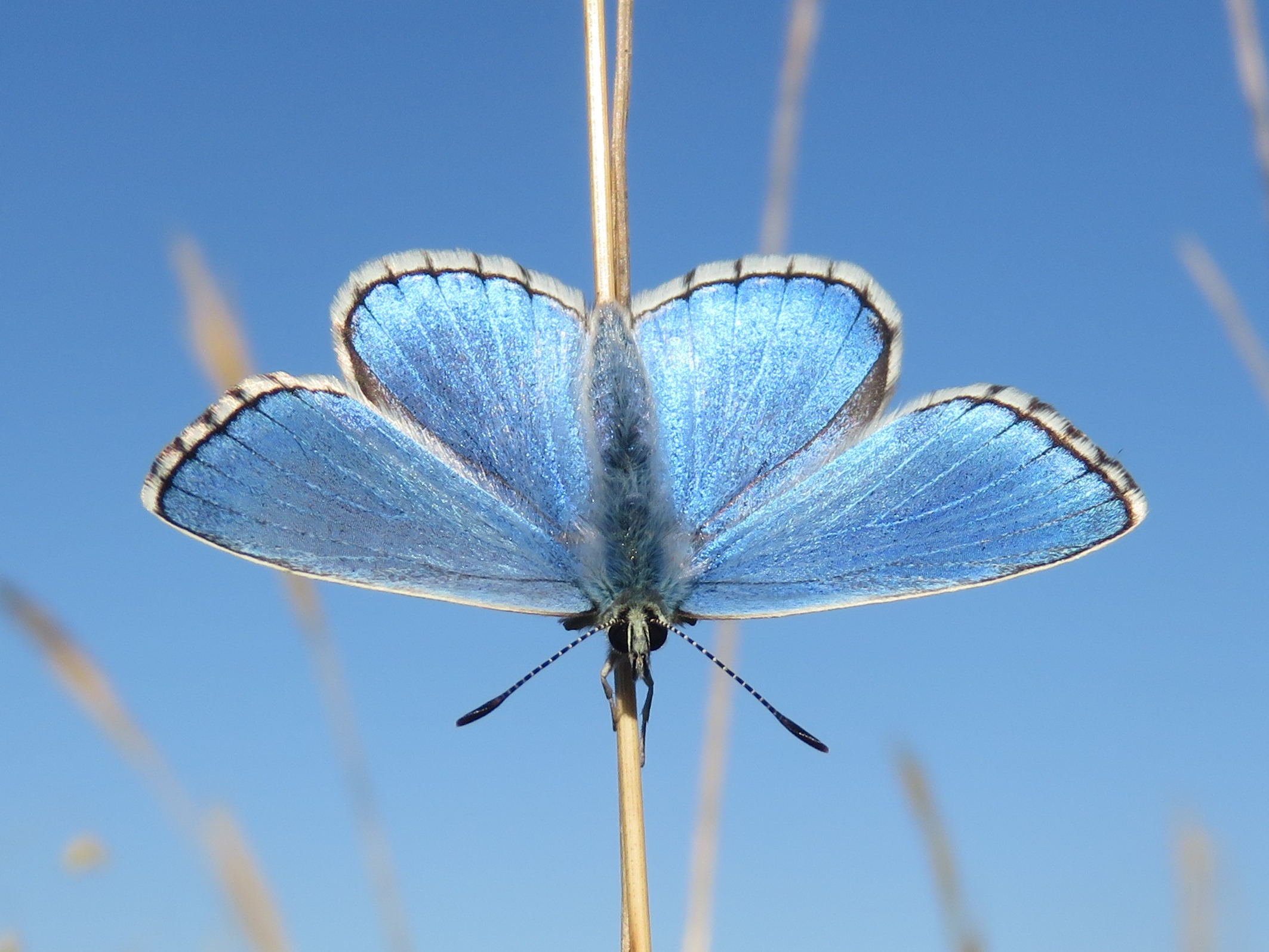
A new government fund sets to boost wildlife habitat in our most important places for nature. Minister Mary Creagh announced on 25 May that the new Wildlife-Rich Habitat Fund will invest £30 million to restore and create wildlife-rich habitats across England’s most iconic landscapes from the wilds of Dartmoor to the rugged Lake District. The money will support National Landscapes and National Parks to spread and scale their nature recovery efforts.
Our protected landscapes act as vital havens for the country’s most threatened species such as hedgehogs, hazel dormouse, water vole, and rare birds like the curlew and turtle dove, with habitat degradation being one of the main drivers for their decline.
The Wildlife-Rich Habitat Fund will deliver thousands of hectares of new habitat across England’s National Parks, National Landscapes, and the Broads over three years, helping to bring nature back to the places people love most.
Building on the huge success of the Farming in Protected Landscapes (FiPL) programme, the Wildlife-Rich Habitat Fund will work on the same basis. It will be delivered through the existing FiPL infrastructure with locally-based officers supporting farmers and landowners to develop nature recovery schemes that help meet the aims of the local management plan.
National Landscapes and National Parks together cover 25% of the land area of England and form the backbone of the government’s commitment to achieving the international 30by30 target – to protect 30% of land and sea for nature by 2030.
The funding follows up a £90 million commitment made in March to fund species recovery projects, the largest investment ever announced in species recovery by a government as part of UK Government’s Wild Again drive aiming to restore nature and return lost species. The Wildlife-Rich Habitat Fund forms part of Wild Again: Restoring England’s Wildlife, the government’s umbrella campaign to halt species decline by 2030, bringing together species recovery and habitat restoration work across Defra and its arm’s-length bodies. This will help meet the international commitment to protect 30% land for nature and our legal Environment Act target to restore over 500,000 hectares of wildlife-rich habitat by 2042.
The investment comes at a time when a growing body of evidence recognises that thriving nature underpins human health and wellbeing, the wider economy and our ability to withstand the impacts of climate change.
Nature Minister Mary Creagh said:
“Our national parks and protected landscapes are home to some of our most marginal species. Our Wild Again funding is already turning the tide on their decline. It will mean more birdsong, flower meadows full of bees and butterflies, and new areas of native woodlands.”
“We’re funding this recovery with the highest ever budget for nature, field by field, across England’s most iconic and beautiful landscapes”.
Mary-Ann Ochota, Independent Chair of the Protected Landscapes Partnership, said:
“This multi-year investment in Wildlife-Rich Habitats is brilliant news. Protected Landscapes teams are empowered to make smart, efficient decisions, and support will reach local delivery partners quickly. These teams know their landscapes, understand the potential for change and can work together to achieve the best outcomes.
“Locally rooted, trust-building partnerships are key. The result? Thriving, wildlife-rich landscapes, nurtured and cherished by farmers, land managers and local communities. It’s the very essence of why National Parks and National Landscapes exist”.
Protected Landscape organisations will work closely with other conservation organisations, farmers and land managers, and the local communities who know their landscapes best.
Rebecca Waite, Chief Executive of the Cotswolds National Landscape team said:
“Around 80% of the Cotswolds National Landscape is agricultural land, and the Farming in Protected Landscape programme has been a great success here (as nationally). It makes sense to continue to help farmers, landowners and managers, and like-minded organisations deliver projects which benefit nature and wildlife. It’s vital that we continue to find ways to work in harmony with nature – finding the balance points between what’s needed for healthy nature recovery and what’s needed for a healthy society.”
Martin Lines, CEO of the Nature Friendly Farming Network (NFFN), said:
“This funding is a positive recognition that farmers are essential partners in protecting and restoring the habitats that make our protected landscapes so special. Through the Farming in Protected Landscapes (FiPL) scheme, farming businesses have already shown how productive farming and nature recovery can go hand in hand – creating and caring for habitats that support rare wildlife, strengthen landscapes and benefit local communities.”
“We warmly welcome this announcement, which reinforces the importance of farmers as key partners in restoring and protecting our most treasured landscapes. When farmers are trusted and supported to lead, nature can recover at scale.”
ENDS
Notes to editors:
- The Wildlife-Rich Habitat Fund provides £30 million in ring-fenced funding – £10 million per financial year – from 2026 to 2029.
- 36 of England’s 44 Protected Landscapes are participating in the first year with every project funded rooted in local priorities.
- The fund is delivered through the existing Farming in Protected Landscapes (FiPL) programme infrastructure.
- The fund is separate from and does not affect the farming budget or the Farming in Protected Landscapes programme.
- Projects will be prioritised in line with Protected Landscapes management plans and Local Nature Recovery Strategies.
- The fund forms part of the government’s broader programme of action to restore nature, alongside the Environmental Improvement Plan, the Land Use Framework and new legislation to strengthen the purposes and powers of National Parks and National Landscapes.
Image credit: Simon Smith.